

Char Dham Yatra Travel Guide
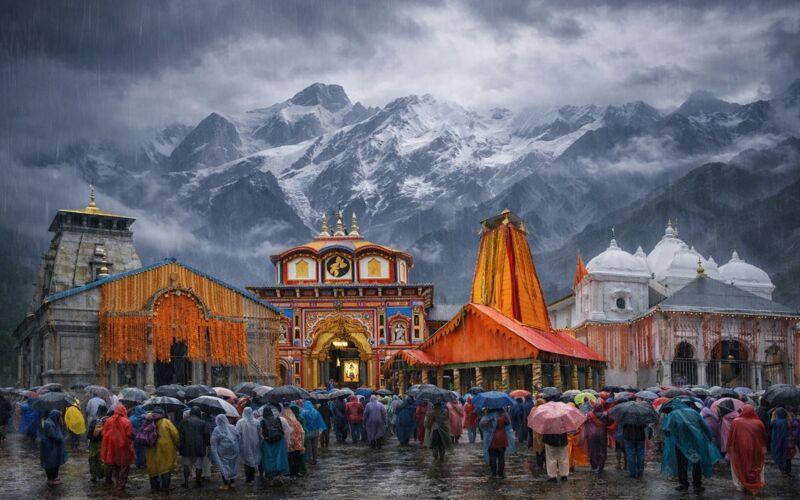
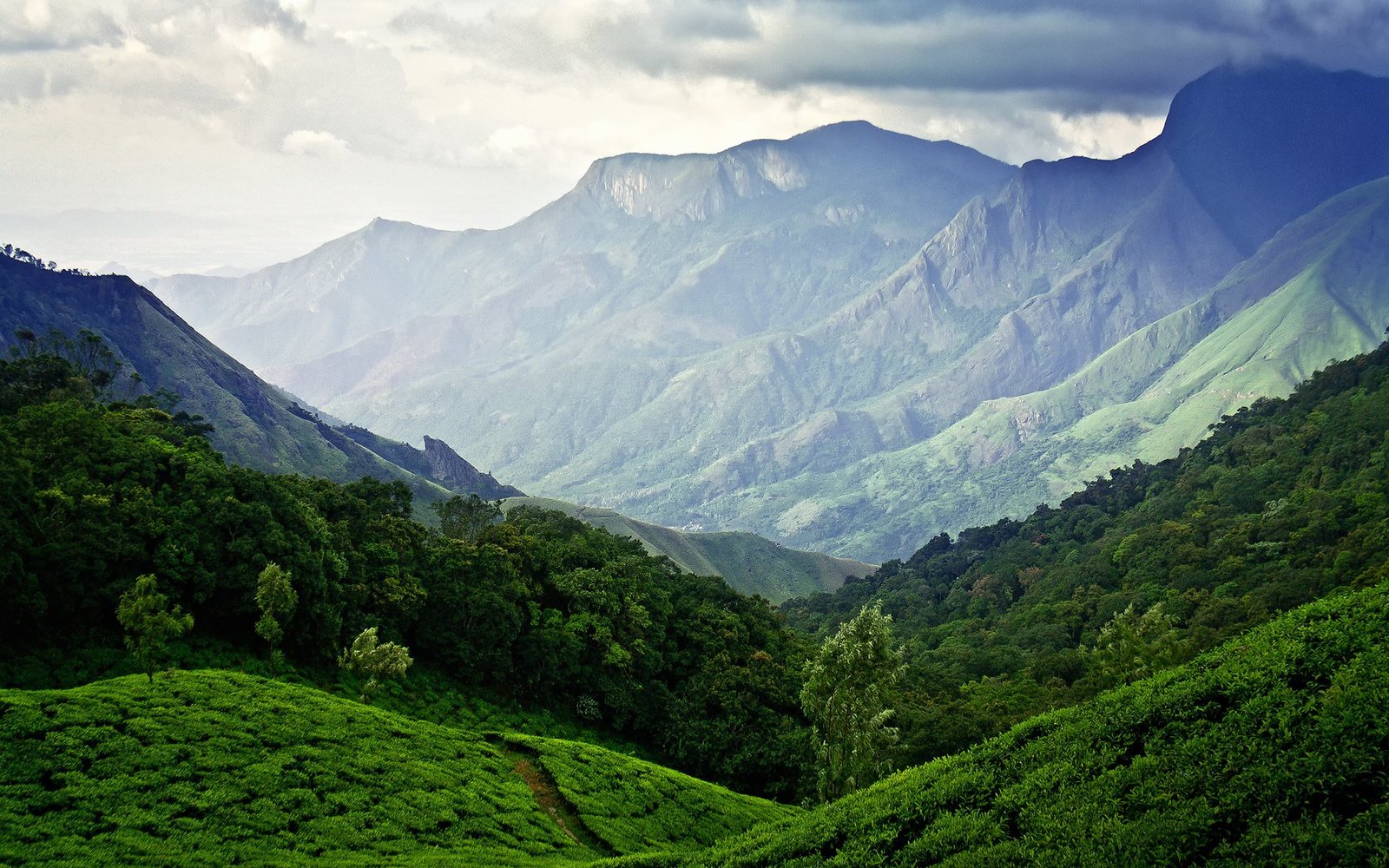
The Char Dham Yatra is one of the most revered spiritual journeys in India, taking pilgrims through the sacred Himalayan shrines of Yamunotri, Gangotri, Kedarnath, and Badrinath. Located in the Garhwal region of Uttarakhand, this pilgrimage is believed to cleanse the soul and guide devotees toward spiritual liberation. Beyond its religious significance, the journey is also a deep encounter with the Himalayas, offering breathtaking landscapes, ancient traditions, and moments of inner reflection.
Undertaking the Char Dham Yatra requires thoughtful planning due to high altitudes, unpredictable weather, and challenging terrain. Understanding the route, spiritual importance, seasonal conditions, and basic travel logistics is essential before beginning the pilgrimage. This guide aims to help travelers prepare mentally, physically, and practically for a meaningful and well-organized journey.
Spiritual Significance of the Four Dhams
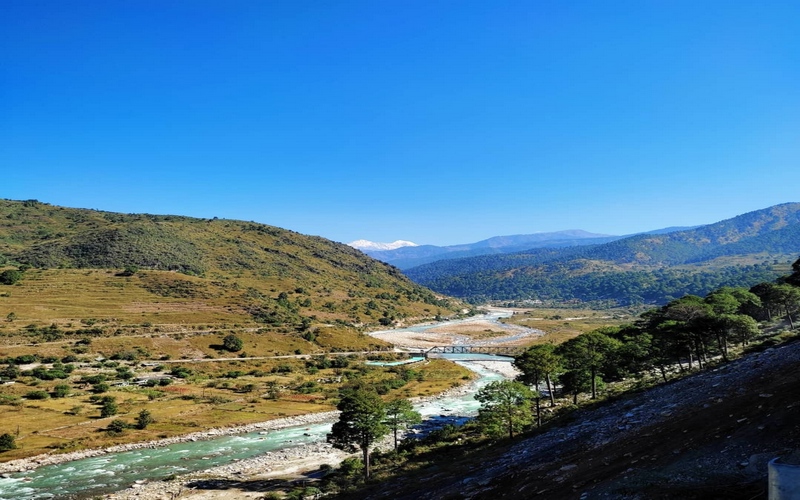
Each of the four dhams holds unique spiritual importance rooted in Hindu mythology and centuries-old traditions. Together, they form a complete spiritual circuit that symbolizes devotion, discipline, and faith.
1. Yamunotri Dham
Yamunotri is the origin of the sacred River Yamuna and marks the starting point of the Char Dham Yatra. The temple is dedicated to the Goddess Yamuna and is located at a high altitude surrounded by rugged mountain terrain. Pilgrims believe that bathing in the river’s waters purifies the soul and protects devotees from untimely death. The final stretch to the temple involves a trek, making Yamunotri both a spiritual and physical beginning to the journey.
2. Gangotri Dham
Gangotri represents the source of the holy River Ganga, revered as a divine mother in Hindu belief. The temple stands amidst serene valleys and towering peaks, offering a calm and spiritually uplifting environment. Devotees associate Gangotri with purity, penance, and forgiveness, as the river is believed to wash away sins and grant spiritual renewal.
3. Kedarnath Dham
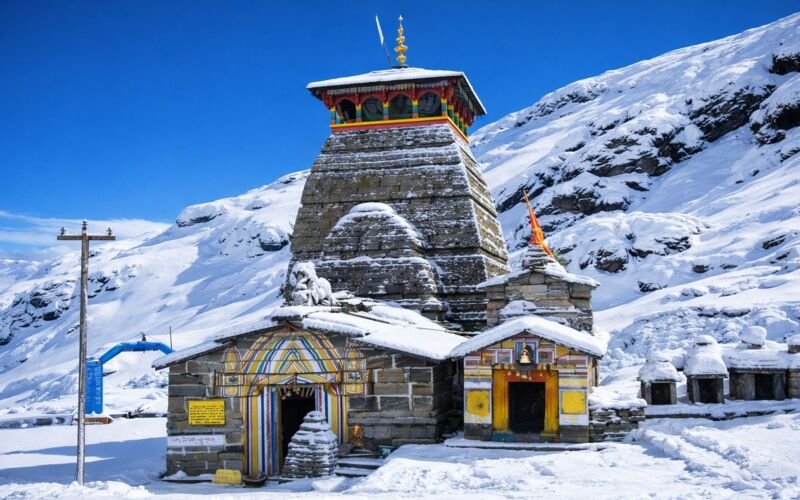
Kedarnath is dedicated to Lord Shiva and is considered one of the most spiritually powerful shrines in the Himalayas. Situated at a high altitude near ancient glaciers, the temple reflects endurance, devotion, and divine presence. The journey to Kedarnath includes a demanding trek, symbolizing the spiritual discipline required to reach enlightenment. The shrine’s remote location adds to its profound spiritual atmosphere.
4. Badrinath Dham
Badrinath, dedicated to Lord Vishnu, concludes the Char Dham circuit. Nestled between the Nar and Narayan mountain ranges along the Alaknanda River, the temple is associated with salvation and divine blessings. Badrinath is also significant for its association with Adi Shankaracharya, who revived and organized the Char Dham pilgrimage centuries ago.
Char Dham Yatra Route Overview
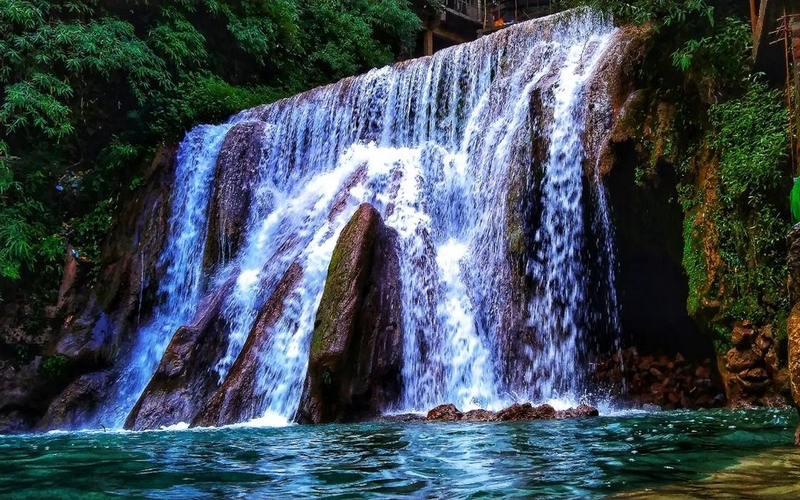
The traditional Char Dham route follows a clockwise direction, beginning with Yamunotri, followed by Gangotri, Kedarnath, and ending at Badrinath. This sequence is believed to align with spiritual progression and natural geography.
The journey involves a combination of road travel and trekking. While roads connect major towns and base camps, trekking is required for Yamunotri and Kedarnath. The total distance and duration vary depending on starting location, pace, and weather conditions, but the full Yatra typically takes 10 to 14 days when done comfortably.
Understanding the route in advance helps pilgrims manage fatigue, acclimatize to altitude changes, and plan rest days effectively.
Best Time to Undertake the Char Dham Yatra
The Char Dham Yatra is seasonal due to extreme Himalayan weather. Temples usually open between late April and early May and close around October or early November.
The summer months from May to June offer stable weather and clear routes, making them the most popular time for the pilgrimage. The monsoon period from July to September brings heavy rainfall and landslide risks, requiring extra caution. Autumn, especially September to October, offers clearer skies and fewer crowds, though temperatures begin to drop.
Physical and Mental Preparation
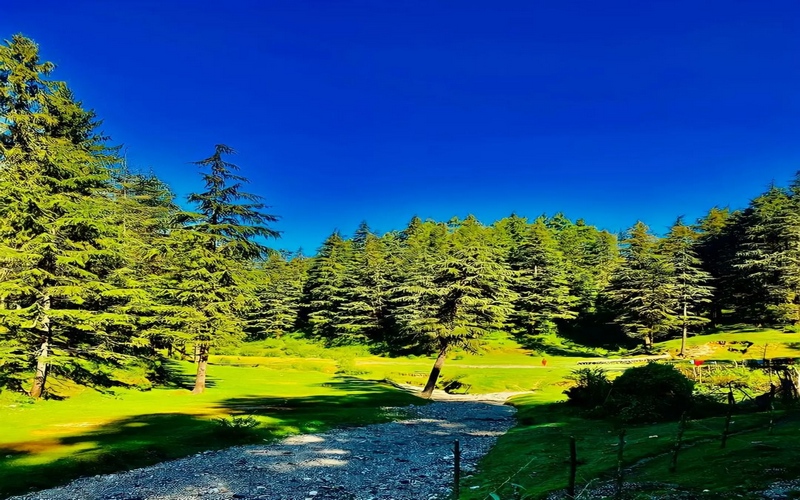
Preparing for the Char Dham Yatra goes beyond travel planning. The journey demands physical stamina, especially for treks and long road journeys at high altitudes. Basic fitness, regular walking, and breathing exercises help build endurance before departure.
Mental readiness is equally important. Pilgrims should be prepared for delays, weather changes, and limited comforts in remote areas. Patience, flexibility, and spiritual focus play a crucial role in completing the journey smoothly and meaningfully.
Importance of Planning and Organization
Due to the complexity of routes, accommodation availability, and seasonal limitations, structured planning is essential. Accommodation options range from basic guesthouses to well-managed hotels, depending on location. Advance bookings help ensure safety and comfort, especially during peak season.
Well-organized itineraries allow sufficient rest, reduce health risks, and ensure that the pilgrimage remains spiritually fulfilling rather than physically overwhelming.
Travel Planning and Route Logistics
Efficient travel planning is essential for a smooth Char Dham Yatra due to long distances, mountainous terrain, and variable weather. The journey primarily involves road travel supported by short treks to reach Yamunotri and Kedarnath. Most pilgrims follow the traditional route sequence to reduce backtracking and fatigue. Planning daily travel distances, buffer days for weather delays, and rest breaks helps maintain physical comfort and mental calm throughout the pilgrimage.
The traditional route sequence: Yamunotri, Gangotri, Kedarnath, and Badrinath helps optimize travel flow and reduces repeated mountain driving.
Early morning travel: Safer road conditions, better visibility, and fewer traffic delays.
Road awareness: Landslides and weather changes require flexible scheduling and route monitoring.
Accommodation Options Along the Route
Accommodation plays a crucial role in the overall Char Dham Yatra experience. Options range from basic dharamshalas and guesthouses to mid-range hotels in transit towns like Uttarkashi, Guptkashi, and Joshimath. Near the shrines, facilities remain limited due to high altitude and terrain constraints.
- Temple proximity: Staying closer to shrines reduces daily travel stress and supports early darshan.
- Advance reservations: Essential during peak season to ensure availability and hygiene.
- Basic amenities: Clean bedding, hot water, and reliable electricity enhance comfort at high altitudes.
Food and Dietary Considerations
Food during the Char Dham Yatra is generally vegetarian, simple, and aligned with pilgrimage traditions. Meals focus on nourishment and easy digestion rather than variety.
- Sattvic meals: Light food supports digestion and sustained energy.
- Hydration: Regular water intake prevents fatigue and altitude discomfort.
- Travel snacks: Dry fruits, glucose, and energy bars are useful during long travel days.
Health, Safety, and Medical Readiness
Health preparedness is critical due to altitude, physical exertion, and unpredictable weather. Even fit travelers should plan carefully.
Medical checkups: Recommended before travel, especially for elderly pilgrims.
Personal medication: Carry prescribed medicines and a basic first-aid kit.
Altitude symptoms: Early recognition of headaches, dizziness, or breathlessness allows timely rest.
Trekking Preparedness and Travel Support
The treks to Yamunotri and Kedarnath demand physical readiness and suitable equipment. Proper preparation improves safety and endurance.
Footwear and clothing: Supportive shoes, layered clothing, and rain protection are essential.
Support services: Ponies, palanquins, and helicopter options assist those unable to trek.
Weather Awareness and Responsible Travel
Weather conditions in the Himalayas change rapidly and must be respected throughout the journey.
Daily weather checks: Help avoid unsafe travel windows.
Seasonal caution: Rainfall, fog, and cold temperatures affect road and trek safety.
Eco-responsibility: Avoid littering and respect local customs and natural surroundings.
Best Seasons to Undertake the Char Dham Yatra
Seasonal planning plays a decisive role in determining the comfort, safety, and overall experience of the Char Dham Yatra. The Himalayan climate changes significantly throughout the year, influencing road conditions, accessibility, and physical endurance.
Summer season (May to June): Stable weather, open routes, and moderate temperatures make this the most preferred period for pilgrims.
Monsoon season (July to September): Increased rainfall leads to landslides, roadblocks, and travel delays, requiring extra caution.
Autumn season (September to October): Clear skies, crisp air, and fewer crowds offer a peaceful and visually stunning journey.
Winter closure (November to April): Heavy snowfall leads to temple closures and unsafe travel conditions.
Char Dham Yatra for Senior Citizens
With proper preparation and pacing, senior citizens can complete the Char Dham Yatra. Comfort, health monitoring, and route awareness become especially important.
Health assessments: Medical checkups help evaluate fitness for high-altitude travel.
Slow travel pace: Shorter daily travel distances reduce physical strain.
Support services: Ponies, palanquins, and helicopter options assist in difficult terrain.
Warm clothing: Extra layers protect against sudden temperature drops.
Travel Options and Transport Choices
Multiple transport options are available depending on time availability, physical ability, and weather conditions. Choosing the right mode of travel enhances safety and convenience.
Road travel: The most common and flexible option, allowing gradual altitude adaptation.
Helicopter services: Reduce travel time and trekking effort, subject to weather conditions.
Local transport: Shared jeeps and taxis operate between major transit points.
Practical Packing and Essential Items
Packing smartly is crucial for managing varying climates and long travel days across the Char Dham circuit.
Layered clothing: Allows easy adjustment to changing temperatures.
Footwear: Non-slip, comfortable walking shoes improve safety.
Rain protection: Ponchos or waterproof jackets are essential during unpredictable weather.
Personal essentials: Identity documents, cash, power banks, and torchlights ensure convenience.
Spiritual Etiquette and Responsible Pilgrimage
The Char Dham Yatra is deeply rooted in spiritual tradition, and respectful conduct enhances the sanctity of the journey.
Temple discipline: Follow dress codes, queue systems, and local customs.
Environmental care: Avoid plastic waste and protect fragile ecosystems.
Cultural respect: Honor local traditions and interact respectfully with residents.
Completing the Yatra with Awareness and Balance
Completing the Char Dham Yatra requires more than physical travel; it demands patience, mindfulness, and respect for nature and spirituality.
Mental preparedness: Accept delays and challenges as part of the journey.
Flexible planning: Weather and terrain may require itinerary adjustments.
Mindful travel: Balance devotion with health and safety at all times.
The Char Dham Yatra is a sacred journey that brings together faith, discipline, and the serene power of the Himalayas. When pilgrims plan thoughtfully, respect seasonal conditions, and prioritize health and safety, the experience becomes smooth and deeply rewarding. Char Dham travel packages can support this process by organizing routes, stays, and daily movement without distracting from the spiritual purpose. Undertaken with patience and awareness, the Yatra leaves pilgrims with lasting devotion, clarity, and a profound sense of fulfillment.