


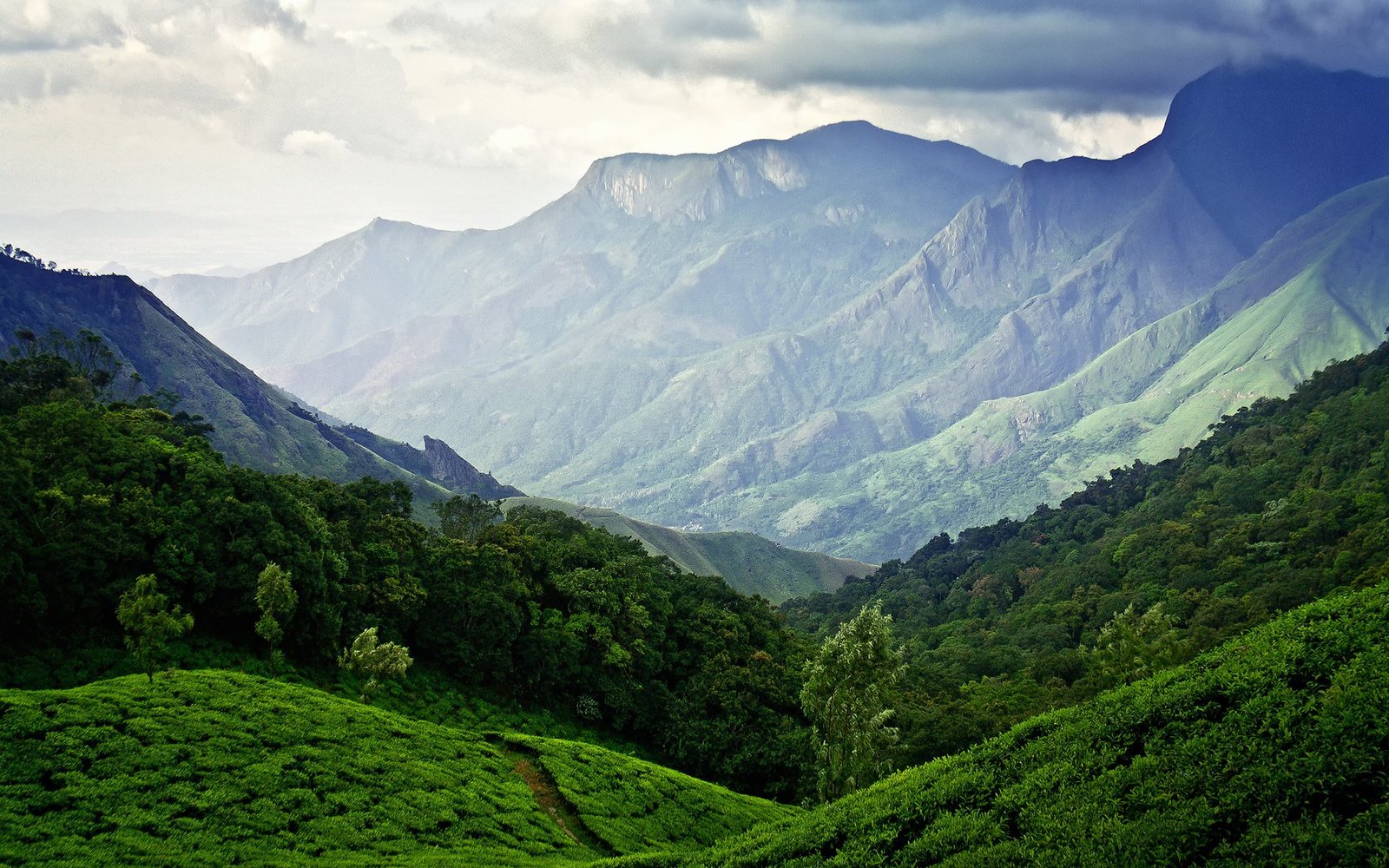
The Char Dham Yatra is one of India’s most revered spiritual journeys, taking pilgrims across four sacred shrines—Yamunotri, Gangotri, Kedarnath, and Badrinath. The route involves high-altitude travel, unpredictable mountain weather, and long road journeys. Being well-prepared makes the entire experience smoother, safer, and more fulfilling. This detailed preparation checklist covers essentials you must consider before starting the yatra, including documentation, health preparation, packing recommendations, weather considerations, fitness tips, and important safety measures.
1. Understand the Route and Travel Duration
Before beginning your yatra, have a clear understanding of the overall route and the time required. The traditional Char Dham route starts from Yamunotri, followed by Gangotri, Kedarnath, and Badrinath. Depending on travel pace and transport, the journey usually takes 10 to 12 days. Some routes involve steep trekking—especially Kedarnath—so mentally preparing for high-altitude travel is essential.
Understanding distances, terrain, and altitude variations helps in planning daily schedules, rest stops, and acclimatization breaks.
2. Complete Mandatory Registrations
Pilgrims must complete their registration on the official Uttarakhand government portal before beginning the journey. Registration helps with crowd management, safety tracking, and emergency assistance. Once registered, keep the confirmation message and QR code handy. You should also register each member of your group separately for smooth clearance at checkpoints.
Those planning helicopter services for Kedarnath or Char Dham must also book tickets through authorized platforms only. Avoid last-minute bookings to prevent rush season delays.
3. Focus on Health and Physical Fitness
Char Dham Yatra involves high-altitude locations where oxygen levels drop significantly. Good health and basic fitness are essential. Start preparing at least a month in advance by incorporating:
-
Daily walking or light jogging
-
Breathing exercises (pranayama)
-
Mild stretching and flexibility routines
If you have medical conditions like blood pressure, diabetes, asthma, or heart-related issues, consult your doctor before planning. Carry necessary prescriptions and ensure you are fit for altitude travel.
4. Get a Health Check-Up Before Travel
A medical check-up ensures you are prepared for the yatra physically. Many routes require medical clearance at checkpoints, especially at Kedarnath. It is advisable to carry:
-
Recent medical reports
-
Doctor’s fitness certificate
-
Prescribed medicines in adequate quantity
Those above 50 or with chronic health concerns should be extra cautious and avoid exertion during steep climbs or long walking stretches.
5. Pack Smartly for Changing Mountain Weather
The Himalayas can experience sudden weather changes, even in peak season. Layered dressing is the safest choice. A proper packing checklist includes:
Clothing
-
Thermal wear (top and bottom)
-
Light woolens and heavy sweaters
-
Windproof and waterproof jackets
-
Trek pants or quick-dry lowers
-
Warm socks (4–5 pairs)
-
Woolen caps, mufflers, and gloves
Footwear
-
High-quality trekking shoes
-
Flip-flops or light slippers for evenings
-
Extra laces
Rain Gear
-
Lightweight raincoat or poncho
-
Waterproof covers for bags
Being prepared for cold mornings, warm afternoons, and chilly nights ensures comfort throughout the journey.
6. Carry Essential Medicines and a First-Aid Kit
A personal first-aid kit is extremely important during the Char Dham Yatra since medical stores may not always be readily available along high-altitude routes. Your kit should include:
-
Fever and pain relief tablets
-
Altitude sickness medication (consult your doctor)
-
Anti-vomiting and digestion pills
-
Bandages, cotton, and antiseptic creams
-
Cold and cough medicines
-
Glucose sachets
-
ORS packets
For those trekking to Kedarnath, carrying muscle-relief spray is also helpful.
7. Keep Important Documents Handy
Your travel documents must be kept in a waterproof pouch or file. Essential documents include:
-
Government ID (Aadhar, PAN, Passport, etc.)
-
Yatra registration slip
-
Helicopter booking confirmation (if applicable)
-
Hotel booking receipts
-
Medical fitness certificate
-
Emergency contact details
Carrying photocopies or digital backups ensures easier handling at multiple checkpoints.
8. Prepare for Long Road Journeys
The Char Dham route involves winding mountain roads that may cause motion sickness. To be comfortable:
-
Carry motion-sickness medication
-
Keep light snacks like nuts, fruits, and biscuits
-
Drink water regularly but avoid overhydration while traveling
-
Take small breaks whenever needed
Road conditions may vary, especially after rains, so patience and preparedness go a long way.
9. Be Financially Prepared for Unexpected Expenses
Though most major expenses are pre-planned, keep some flexibility in your budget for:
-
Food and refreshments
-
Pony, palki, or porter services
-
Extra clothing or medical supplies
-
Emergency transport
-
Additional hotel stays in case of weather delays
It is advisable to carry both digital payment options and some cash, as network connectivity may be low in higher altitudes.
10. Respect Local Culture and Temple Guidelines
Each dham has specific customs and guidelines. Dress modestly, follow queue systems, and maintain silence inside temple premises. Photography may be restricted in certain areas, so always check before clicking pictures. Avoid littering and use designated waste bins to preserve the purity of the region.
11. Prepare for Network and Connectivity Issues
Mobile signals may fluctuate across different dham locations. Download offline maps, keep important phone numbers written down, and avoid relying entirely on internet connectivity. Inform your family about expected network gaps during the journey.
12. Safety & Emergency Tips
Safety is crucial during Char Dham Yatra. Keep these points in mind:
-
Do not rush or overexert yourself.
-
Stay hydrated but avoid drinking untreated water.
-
Follow weather advisories from local authorities.
-
Avoid traveling after sunset in remote stretches.
-
Keep a torch and power bank with you at all times.
Being cautious ensures a safe and peaceful pilgrimage.
Conclusion
A well-planned Char Dham Yatra preparation checklist ensures a smooth, safe, and spiritually enriching experience. From health readiness and packing essentials to documentation, budgeting, and safety measures, every step of preparation contributes to a comfortable journey through the serene Himalayas. With thoughtful planning and mindful travel, the Char Dham Yatra becomes not just a pilgrimage but a life-changing experience.

 Enquiry