


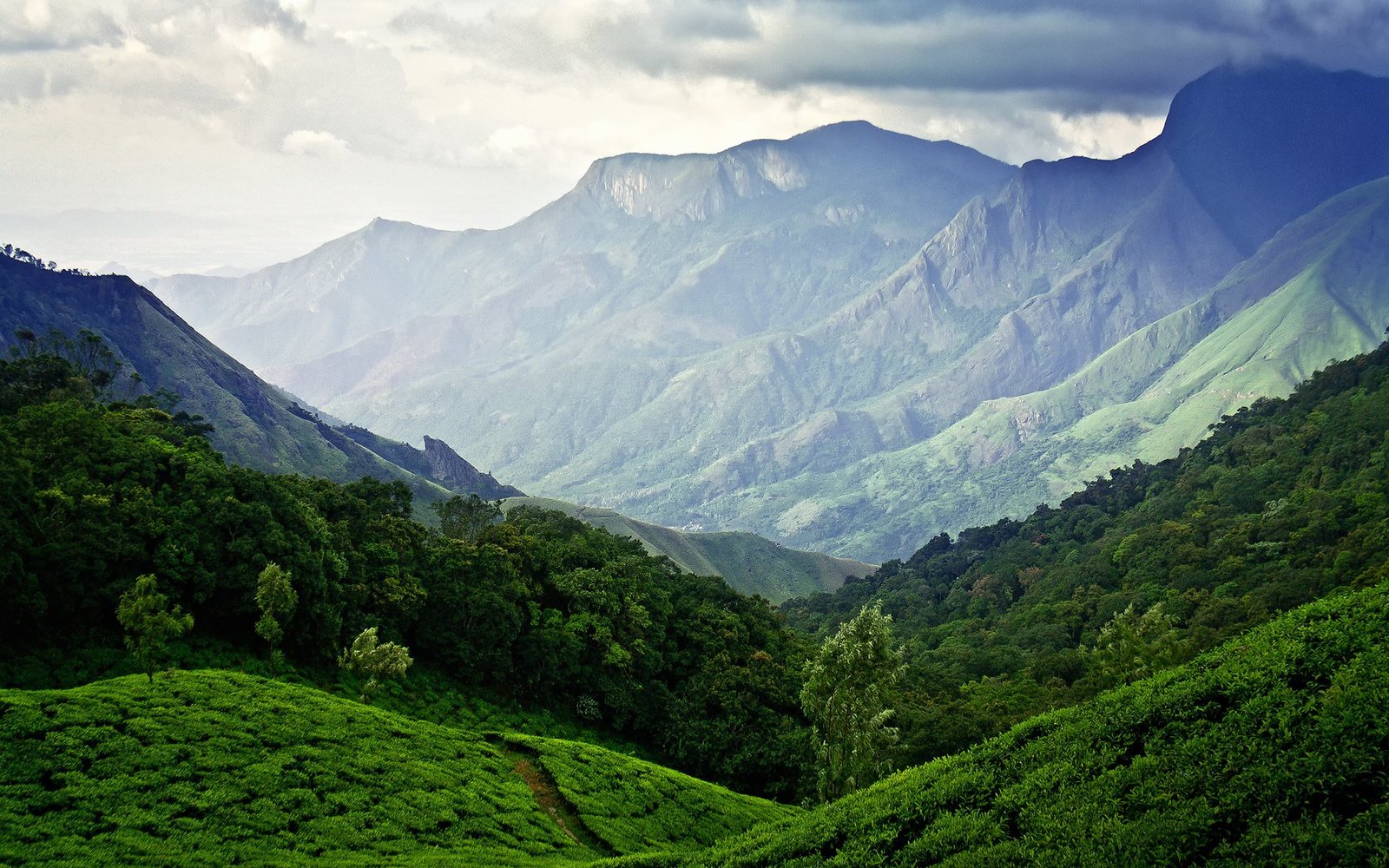
Char Dham Weather Guide: Season-Wise Climate, Conditions & Travel Insights
Undertaking the sacred Char Dham Yatra—covering Yamunotri, Gangotri, Kedarnath, and Badrinath—requires more than spiritual intent; it calls for a clear understanding of Himalayan weather patterns and how they shape the journey. The shrines lie at altitudes where temperatures fluctuate drastically, winds intensify without warning, and sudden climatic shifts are a common reality. Anyone preparing for this yatra, especially those exploring a chardham yatra package while planning, benefits immensely from learning how the weather behaves across seasons and months. A well-informed approach ensures safety, comfort, and a deeper, more peaceful experience across these revered Himalayan routes.
Understanding the Himalayan Climate
Weather in the Himalayas is unlike anything found in the plains. Altitude governs almost every aspect—temperature, humidity, wind flow, sunlight intensity, visibility, and oxygen levels. As one travels higher, the air becomes thinner, making breathing slightly more laborious for some pilgrims. With less atmospheric density, temperature variations become extreme. A bright sunny morning can transform into a cloudy, windy afternoon, and nights remain cold even in the heart of summer.
The landscape also influences climatic behavior. Deep valleys funnel strong winds, snowmelt increases stream flow during late spring and early summer, and the high ridges around Kedarnath and Badrinath trap cold air that sinks into surrounding routes. As a result, weather conditions rarely remain constant throughout the day. Pilgrims must be prepared for these changes at all times.
Season-Wise Weather Overview
Understanding how each season shapes the yatra is essential for planning. While the region technically witnesses the standard Indian seasonal cycle—spring, summer, monsoon, autumn, and winter—their impact is far more intense due to altitude and topography.
Spring (April)
Spring marks the opening of accessibility to the temples, although the official openings often fall around late April or early May. The weather at this time is cold yet gradually transitioning into milder conditions. Mornings and evenings are particularly chilly, with icy winds sweeping through open pathways. Snow remains in higher regions, especially around Kedarnath and parts of Badrinath, creating a beautiful yet demanding terrain.
Temperature ranges stay low during early spring, but skies are often clear, offering stunning views of the mountains. Spring is also the period when nature begins to awaken after months of winter. Streams start flowing again, trees begin to regain their greenery, and overall visibility tends to be excellent. However, the cold can be biting, and first-time high-altitude travelers may need time to adjust.
Summer (May–June)
Summer is considered the most favorable period for Char Dham Yatra. By May, the weather becomes considerably more stable, snow melts enough to clear major walking routes, and temperatures rise to a comfortable level during the day. Afternoon sun can feel warm at lower stops, but mornings and evenings continue to be cool, especially around Yamunotri and Gangotri, which sit at slightly lower altitudes compared to Kedarnath.
June witnesses the best balance of pleasant weather, clear skies, and longer daylight hours. Trekking is more manageable, visibility remains excellent, and the likelihood of weather disruptions is relatively low—except for the occasional pre-monsoon showers toward the end of the month.
These two months attract the highest number of pilgrims due to weather stability. While the crowds grow dense, the overall environment stays welcoming.
Monsoon (July–August)
Monsoon is the most challenging season for the yatra. The Himalayan region receives heavy rainfall, and cloudburst occurrences become more frequent. Roads become slippery, river levels rise, waterfalls intensify, and fog reduces visibility on the winding mountain routes. Landslides are the most significant concern, often leading to temporary road closures or delays.
The rain does enhance the natural beauty—valleys turn lush green, waterfalls become thunderous, and the fresh post-rain air feels crisp. However, the risks far outweigh the charm. Trekking paths, especially the trail to Kedarnath, become hazardous. Vehicles must move extremely cautiously, and journeys often face interruptions. Many travelers prefer not to undertake the yatra during this season due to the unpredictability involved.
Autumn (September–October)
Autumn brings some of the most stunning weather conditions of the year. After the monsoon clouds clear, the entire Himalayan region reveals spectacular clarity. Skies become intensely blue, air turns crisp, and the sunlight creates breathtaking contrasts on the snow-capped peaks. Roads regain stability, and temperatures settle into a pleasant yet cool range.
September marks the beginning of post-monsoon calm, making it one of the safest and most scenic months for the yatra. By October, temperatures begin to drop significantly, especially at night. Frost may appear in some areas, and winds occasionally become sharp. However, visibility remains excellent, making the entire experience serene and memorable. This is also the period with fewer crowds compared to summer, providing a peaceful setting for pilgrimage.
Winter (November–March)
Winter closes the doors of the Char Dham temples as heavy snowfall blankets the region. Roads become inaccessible, temperatures drop well below freezing, and winds grow stronger. The high-altitude shrine areas, especially Kedarnath and Badrinath, witness several feet of snow accumulation. Pilgrims do not travel during this period, and deities are shifted to their winter abodes for worship.
Even the lower-altitude paths remain extremely cold, and most accommodation options shut down for the season. Winter in the Char Dham region is beautiful in its own way, with pristine white landscapes and silent valleys, but it is far too harsh for travel.
Month-Wise Breakdown for Detailed Planning
While seasons offer a broad view, understanding month-wise changes helps travelers plan more precisely.
April
The early yatra period brings cold conditions, frequent icy winds, and snow patches. Visibility is usually good, but nights are very cold. Those comfortable with cold weather find this period invigorating, though challenges remain.
May
The weather becomes more forgiving, with moderate temperatures and clearer routes. Snow exists only in shaded areas or high ridges. This is one of the most comfortable months for the pilgrimage.
June
Weather stability peaks around June. Trekking routes are at their safest, sunlight is abundant, and the overall climate is ideal. However, the last week of June may see mild showers, signaling monsoon’s approach.
July and August
These two months are dominated by rain. Slopes become slippery and fog affects visibility. Landslides can reshape travel plans instantly. While the greenery is breathtaking, this period is not recommended for the journey.
September
The monsoon retreats and brings crystal-clear skies. Valleys look fresh after rainfall, providing some of the best natural views. The climate feels balanced, making September one of the most reliable travel months.
October
October is scenic yet cold. With winter nearby, winds turn sharp, especially after sunset. Days remain manageable while nights dip sharply.
November to March
This period experiences heavy snowfall, making the region inaccessible. The shrines remain closed, and nature rests under layers of snow.
Dham-Specific Weather Behavior
Every shrine has its own climate due to altitude and location differences.
Yamunotri
Yamunotri enjoys slightly milder conditions compared to the others but still remains cold in mornings and nights. The trek feels comfortable in May–June but slippery during monsoon.
Gangotri
Similar to Yamunotri, but slightly colder because of its elevation. Spring and summer remain excellent for visiting; monsoon brings moderate risk, and autumn stays peaceful yet cool.
Kedarnath
Kedarnath experiences the harshest climate. Being surrounded by high mountains, it stays cold throughout the open season. Early-season snow is common, monsoon makes trekking unsafe, and autumn offers clear but chilly days.
Badrinath
Badrinath enjoys broader road connectivity, yet weather remains cold due to its altitude. It experiences long winters and cold winds even during summer evenings.
How Weather Affects Travel Experience
Weather dictates every part of the Char Dham journey—road conditions, trekking comfort, visibility, accommodation availability, and safety. A bright day with stable temperatures makes travel smooth and fulfilling. But fog or rain can bring delays, route diversions, or trekking restrictions. Understanding these factors not only helps in choosing the right month but also sets realistic expectations for each day of the journey.
Preparing for Weather Challenges
Pilgrims should always be ready for sudden climatic shifts. Layered clothing is essential because it allows quick adjustment to temperature changes. Waterproof jackets, durable shoes, and warm innerwear remain crucial even during summer trips. Carrying essential medicines, including treatment for altitude sickness and colds, helps manage unexpected discomfort. The key is to prepare for cold mornings, sunny afternoons, and chilly nights—all in a single day.
Why Weather Knowledge Ensures a Better Yatra
The Char Dham Yatra is a pilgrimage of devotion, resilience, and natural beauty. Weather awareness allows travelers to appreciate the landscapes without facing unnecessary hardships. It ensures safety, provides comfort, and enhances the overall spiritual experience by reducing stress related to unexpected climate challenges. When travelers align their plans with seasonal rhythms, the journey flows more smoothly, offering moments of serenity and deeper reflection.
Conclusion
Weather is the guiding force behind the Char Dham Yatra. Each season brings its own rhythm—spring’s awakening, summer’s stability, monsoon’s unpredictability, autumn’s clarity, and winter’s silence. Pilgrims who understand these patterns find their journey easier, safer, and more enriching. Choosing the right month, preparing for climatic variations, and respecting the unpredictability of the mountains ensures a memorable pilgrimage through one of India’s most sacred Himalayan circuits.

 Enquiry